Backyard Artificial Grass Birmingham | Get a Free Quote Today
Transform your muddy, patchy or difficult-to-maintain back garden with professional backyard artificial grass in Birmingham.
We install attractive synthetic lawns for family homes, pet areas, modern garden designs and high-traffic outdoor spaces. Every project starts with a proper garden assessment. We inspect access, measurements, levels, ground conditions and drainage before recommending the right artificial turf.
The result is a neat, practical garden you can enjoy throughout the year. No weekly mowing. No worn patches around seating areas. No muddy footprints through the kitchen after Birmingham rain.
Whether you have a compact terraced-house garden in Kings Heath, a family garden near Sutton Coldfield or an awkward outdoor space in Harborne, we can design an artificial lawn around the way you use your home.
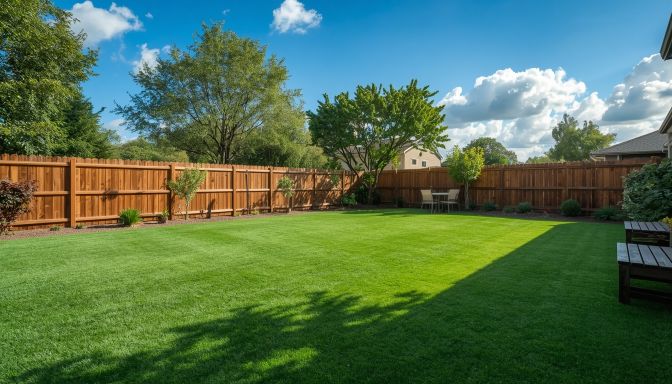
Professional Backyard Artificial Grass Installation in Birmingham
A good artificial lawn involves much more than rolling synthetic grass over the ground. The visible turf is only the top layer. What happens underneath determines whether the lawn remains level, stable and free draining.
Our installation process can include:
- Removal of existing natural grass or old artificial turf
- Excavation to a suitable depth
- Responsible removal of waste
- Installation of secure perimeter edging
- Ground levelling
- Weed membrane or geotextile fabric
- Compacted sub-base construction
- Drainage preparation
- Laying-course installation
- Accurate turf cutting
- Secure joining and fixing
- Silica-sand infill where suitable
- Power brushing
- Final inspection and clean-up
We adapt the specification to the garden rather than forcing the same method onto every property. A flat, open lawn in Sutton Coldfield may need a different installation plan from a narrow terraced garden in Stirchley. A dog run in Erdington also needs different drainage and cleaning considerations from a decorative lawn in Edgbaston.
That is why we inspect the site before providing a final price.
Transform Muddy, Patchy or Difficult Back Gardens
Natural lawns can struggle where there is heavy foot traffic, poor sunlight, compacted soil or frequent use by children and pets. Shaded lawns beneath trees may become thin and patchy. The Royal Horticultural Society notes that shade and soil compaction can affect grass growth and that compacted lawns may need aeration to improve drainage and performance.
Artificial grass can provide a practical alternative where maintaining a healthy natural lawn has become difficult. It may work well around:
Garden Furniture
Outdoor dining & seating areas
Children’s Play
Play equipment & toys
Pet Runs
Dog areas & high-use zones
Narrow Spaces
Side returns & courtyards
Garden Rooms
Home offices & summer houses
Pathways
High-traffic routes
Raised Beds
Around planting borders
Entertainment
Paved outdoor living zones
We can also create a mixed garden design. Artificial lawn does not need to cover every square metre. Planting beds, hedges, trees, containers and natural borders can remain part of the landscape. This approach creates visual balance and preserves space for plants and garden wildlife.
Artificial Lawns Designed for Year-Round Garden Use
Birmingham homeowners need outdoor spaces that can cope with changing conditions. A correctly installed artificial lawn allows rainwater to move through the turf and into the prepared base below. It should not rely on the grass surface alone. The whole system must work together.
Turf & Infill
Permeability of the artificial turf and the type of infill used.
Base Layers
Laying course, sub-base material and direction of the fall.
Ground & Drains
Condition of the underlying ground plus existing drains and water routes.
We assess each of these factors before installation. The goal is not simply to create a green surface. It is to produce a functional backyard that remains attractive, stable and comfortable under normal residential use.
Installation for Small, Medium and Large Birmingham Backyards
No garden is too ordinary to deserve proper planning. We install artificial lawn in:
- Compact courtyards
- Terraced-house back gardens
- Semi-detached family gardens
- Detached properties
- Rental homes
- New-build gardens
- Pet areas
- Children’s play spaces
- Garden rooms & summer-house surroundings
- Multi-level landscapes
- Commercial courtyards
- Nursery and school play areas
Small gardens often require careful cutting because every edge remains visible. Large gardens may require more joining, precise turf alignment and organised material access. Narrow properties may also require soil and materials to pass through the house or a restricted side entrance. We identify these issues during the initial survey.
Why Choose Us for Backyard Artificial Grass?
Choosing an installer based only on the lowest quotation can lead to problems below the surface. Poor excavation, weak foundations, rushed joins or inadequate drainage may not become obvious on installation day. Problems can appear later through dips, movement, visible seams, standing water or lifting edges.
Our approach focuses on careful preparation and honest recommendations.
Fast and Reliable Service
We respect your time and your property. Before work begins, we explain the proposed installation method, expected access requirements, material delivery arrangements, waste-removal plans, the estimated project schedule, areas that must remain clear, how weather may affect the work, and any decisions required before installation. We do not rush the foundation to finish the visible surface faster. A strong base takes time to excavate, grade and compact.
Clear and Affordable Pricing
Our quotation explains what the proposed price covers. This may include labour, excavation, waste removal, edging, weed membrane, geotextile fabric, sub-base material, laying course, artificial grass, joining materials, securing materials, infill, final brushing and site clean-up. We also identify optional work separately so a shock pad, decorative edging, drainage channel or sleeper border never appears as a surprise.
High-Quality Artificial Grass Materials
The best product is not automatically the grass with the longest pile or highest price. A suitable turf should match expected foot traffic, household size, pet use, child use, desired appearance, garden sunlight, drainage requirements, furniture placement, maintenance expectations and available budget. You can compare softness, density, pile direction, colour variation, backing, drainage and recovery after foot traffic.
Experienced and Honest Team
A trustworthy installer should be willing to tell you when a cheaper or simpler solution will work. Not every artificial lawn needs a shock pad, premium long-pile grass, deep excavation, complex drainage channels, full replacement or an entirely new sub-base. Sometimes an existing section can be repaired. Our assessment focuses on what the garden needs.

Local Artificial Grass Experts in Birmingham
Birmingham contains a wide mix of properties and garden layouts. We work with compact urban gardens, traditional terraces, family semis, larger detached homes and modern developments across the city. We understand the practical challenges created by narrow side access, shared passageways, garden steps, sloped lawns, clay-heavy or compacted ground, mature tree roots, existing patios, retaining walls, old concrete areas, drain covers, rear extensions and limited parking for material deliveries.
Birmingham is known for major green spaces such as Cannon Hill Park, Kings Heath Park, Lickey Hills Country Park, Sheldon Country Park, Sutton Park and Woodgate Valley Country Park. A private artificial lawn does not replace the value of these natural spaces. It gives homeowners a practical, manageable surface at home while local parks continue to provide large areas of natural planting, recreation and habitat.
Recent Backyard Artificial Grass Projects in Birmingham
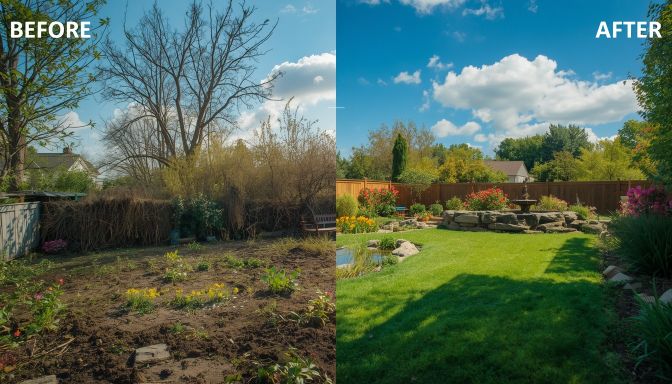
Pet-Friendly Artificial Grass Installation in Birmingham
The Customer’s Problem: The existing lawn had become muddy near the patio, thin in shaded sections, uneven around the edges, difficult to maintain and unsuitable for regular family and pet use. Two active dogs had repeatedly damaged the natural grass, creating odour and bare patches.
Our Recommendation: Removal of the damaged lawn, assessment of existing levels, new perimeter edging, compacted sub-base preparation, permeable pet-grade artificial turf, a practical pile height for family and dog use, strong edge security against digging, and retained planting beds around the lawn.
The Finished Result: A clean, free-draining surface that stays tidy after rain, resists wear, is easy to rinse and has restored the garden as a usable family and pet space.
Benefits of Installing Backyard Artificial Grass
Artificial grass appeals to different households for different reasons. Some customers want to stop mowing. Others need a garden that their children can use without bringing mud indoors. Pet owners may need a surface that can be cleaned more easily than a damaged natural lawn.
Low-Maintenance Garden Solution
Artificial grass removes several regular natural-lawn jobs. You will not need to mow the lawn, reseed bare patches, apply regular lawn feed, water the grass to maintain its colour, deal with grass cuttings, edge the lawn every few weeks or repair damage caused by heavy foot traffic in the same way. Artificial lawn is low maintenance, not maintenance free. It still needs brushing, debris removal and occasional cleaning. Pet areas require more frequent care.
Saves Time and Reduces Lawn-Care Costs
The long-term value depends on how you currently maintain the garden. A homeowner who already owns a mower and performs all lawn care personally will calculate savings differently from someone who pays for regular mowing, lawn treatments, weed control, reseeding, scarifying, aeration, watering and seasonal repairs. Artificial grass usually has a higher initial cost than reseeding a natural lawn. The benefit comes from reduced routine work and more predictable appearance.
Beautiful Green Lawn Throughout the Year
A good synthetic lawn should use varied fibre tones rather than one flat green colour. Many products combine dark green blades, lighter green blades, brown or beige thatch fibres, straight and curled yarns and different blade shapes. These details can make artificial turf look more natural from normal viewing distances. The final appearance also depends on pile direction, garden shape, sunlight, surrounding planting, edge quality, join placement, fibre density and regular brushing.
Helps Prevent Muddy Garden Areas
Artificial grass does not create mud because it does not contain exposed natural soil at the surface. However, correct installation remains essential. Mud, sediment or contaminated water may still reach the turf from raised planting beds, poorly directed downpipes, neighbouring land, unfinished edges, soil-filled pet areas, damaged drainage or flooding. We check surrounding levels and water routes during the survey.
Pet- and Child-Friendly Options
For children we consider surface softness, intended play, fall height from equipment, need for a shock pad, secure edges, product documentation and cleaning requirements. For pets we consider urine drainage, solid-waste cleaning, odour management, digging behaviour, foot traffic, edge security and rinsing access. Do not select turf based on a “pet-friendly” or “child-friendly” label alone. Ask what makes the product suitable and request supporting information where safety claims are made.
Suitable for Shaded or Difficult Growing Areas
Natural grass needs the right combination of soil, water, light, temperature and maintenance. Deep shade from buildings, fences or trees can make natural lawn care difficult. Artificial grass does not need sunlight to grow, although shaded areas may collect leaves, organic material or surface moisture. Regular cleaning remains important.
Weather-Resistant, Durable & Fast-Draining
Outdoor artificial turf should feature UV-stabilised fibres, permeable backing, strong tuft binding, suitable yarn material and a manufacturer warranty. Drainage claims need context: water must also move through the infill, laying course, sub-base, existing ground and drains. We inspect all layers as part of the installation plan.
Is Artificial Grass Right for Your Birmingham Back Garden?
Artificial grass can solve several practical problems, but it is not the right answer for every household. Consider how you use the space before making a decision.
Artificial Grass May Suit You When:
- Your lawn becomes muddy after rain
- Grass struggles in heavy shade
- Dogs repeatedly damage the lawn
- Children use the same play area every day
- You have limited time for garden care
- The lawn experiences heavy foot traffic
- You need a neat surface around a garden room
- You want predictable year-round appearance
- Garden access makes mowing difficult
- You are redesigning a compact urban garden
Natural Grass May Suit You Better When:
- You enjoy lawn care
- Biodiversity is your main priority
- You want a cooler natural surface
- The lawn is already healthy
- You have enough light and drainage
- You prefer natural soil and planting
- The installation budget is limited
- You may change the garden layout soon
A Mixed Garden May Provide the Best Balance
Artificial turf does not need to fill the entire space. A balanced landscape can include a central synthetic lawn, natural borders, native hedges, raised planters, small trees, permeable paving, gravel drainage strips, a wildlife corner, container planting or a natural lawn section.
How Much Does Backyard Artificial Grass Cost in Birmingham?
The final price depends on more than the size of the lawn. As a broad Birmingham market guide, local installers currently advertise professional artificial grass installation at approximately £50 to £100 per square metre. Another Birmingham specialist publishes a typical range of around £65 to £95 per square metre for installation that includes groundwork, base materials, membrane, turf and finishing. These figures are competitor-published market estimates, not a fixed quotation for your property.
Complex gardens may cost more per square metre. Straightforward larger lawns may achieve a lower per-metre rate.
What Affects the Final Price?
Garden Size & Shape
Larger lawns need more materials and labour, but small gardens can still have a high per-m² cost because delivery, machinery and setup remain necessary. Curves, narrow strips and multiple levels increase cutting waste, joins and time.
Existing Surface & Ground
Cost changes depending on removal of natural turf, thick soil and roots, old artificial grass, concrete, paving, gravel, decking or rubble. Soft, unstable, compacted or waterlogged ground may need deeper excavation, stronger sub-base or drainage channels.
Access, Turf & Options
Restricted access (through the house, narrow passage or steps) increases handling time. Turf quality, pile height, density, UV treatment and warranty vary in price. Optional features such as shock pads, sleeper edging, drainage channels or pet-specific infill add cost.
| Quotation Item | What It Covers |
|---|---|
| Site preparation | Removal of existing surface and excavation |
| Waste disposal | Loading, transport and lawful disposal |
| Perimeter edging | Secure structure for fixing turf |
| Weed membrane | Separation and weed-control layer |
| Sub-base | Load-bearing foundation |
| Laying course | Fine levelling layer |
| Artificial grass | Selected turf product |
| Joining & securing materials | Tape, adhesive, pins or bonded edges |
| Infill | Product-specific infill where suitable |
| Finishing | Cutting, brushing and clean-up |
Cheap Backyard Artificial Grass Birmingham: What Should You Check?
Low pricing is not automatically a problem. The risk comes when the quotation leaves out essential work. Before accepting a cheap quote, ask:
- How much excavation is included? Will all waste be removed?
- What sub-base material will be used and how will it be compacted?
- Is a weed membrane included? How will drainage be handled?
- What product will be installed (pile height, density, warranty)?
- Where will joins be positioned and how will edges be secured?
- Is infill included? Are VAT and delivery included?
- Will additional costs require approval? Who moves furniture?
A low quote based on laying turf over an inadequate surface may cost more if the lawn later needs to be lifted and rebuilt.
Choosing the Best Artificial Grass for Your Backyard
The best backyard artificial grass in Birmingham is the product that matches your garden and household. It is not necessarily the softest sample in the showroom.
Choosing the Right Pile Height
Short Pile
Suits modern designs, balconies, decorative strips, high-use areas and spaces needing easier debris removal. Looks neat and recovers quickly after foot traffic.
Medium Pile
Popular for family back gardens, everyday residential use, pet areas, general landscaping and outdoor dining. Balances softness, appearance and maintenance.
Long Pile
Creates a softer, fuller appearance for decorative lawns and lower-traffic gardens. May need more brushing and can show flattening around furniture or regular routes.
Understanding Turf Density, Materials & Features
Density affects how full the lawn looks. A denser turf may hide the backing more effectively, feel more substantial and provide a fuller appearance, but can also hold more debris and cost more. Density should be assessed together with pile height, yarn shape and intended use.
Polyethylene (PE) is commonly used for soft landscape-style fibres and offers a softer feel and natural-looking colour suitable for family gardens. Polypropylene (PP) may appear in fibres, thatch or backing – ask the supplier which part contains it and the expected traffic level. Nylon is known for strength and resilience and may appear in specialist or putting surfaces.
Outdoor turf should have UV stabilisation to reduce premature fibre degradation. Permeable or perforated backing allows water to move through the turf and must be aligned with a suitable drainage system below. Silica-sand infill can support fibres, add weight, improve stability and assist appearance where compatible with the product. Pet installations may require a different infill or cleaning plan.
When Is a Shock Pad Recommended?
A shock pad is a resilient layer installed under artificial grass. It may be considered for children’s play areas, play equipment zones, hard existing surfaces, nurseries, schools or customers seeking additional cushioning. A shock pad does not make every play area automatically safe – the system must match the equipment, fall height, product certification and intended use.
| Turf Type | Best Suited To | Main Advantage | Maintenance Level |
|---|---|---|---|
| Short pile | Modern and high-use gardens | Neat and easy to brush | Low |
| Medium pile | Family back gardens | Balanced appearance and use | Low to moderate |
| Long pile | Decorative premium lawns | Soft, full appearance | Moderate |
| Pet turf | Homes with dogs | Drainage and durability | Regular cleaning |
| Play turf | Children’s areas | Comfortable use | Regular inspection |
| Heavy duty | High-traffic spaces | Strong wear resistance | Moderate |
| Putting turf | Home practice greens | Consistent ball roll | Specialist care |
Backyard Artificial Grass Installation Process
A lasting lawn starts below ground. Here is the complete process:
Initial Garden Consultation
We discuss how you use the garden, who uses it, whether you have pets, preferred appearance, budget, existing problems, future plans and access arrangements.
Backyard Inspection & Measurements
We measure the area and inspect levels, slopes, drainage, soil condition, existing surfaces, retaining walls, tree roots, drain covers, boundaries, doors, thresholds and access.
Turf Selection & Written Quotation
We recommend products suited to the garden. The quotation identifies turf, approximate area, groundwork, edging, drainage, optional extras, waste removal, guarantee and payment schedule.
Removing Existing Grass
We remove the existing surface to create room for the installation system. Required excavation depth depends on existing ground, intended use, finished height, drainage, sub-base and nearby paving or thresholds.
Removing Waste
Excavated soil, old turf and unwanted material are removed responsibly. We explain storage, how waste leaves the property, whether a skip is required and how access areas will be protected.
Installing Perimeter Edging
Edging creates a secure boundary. Materials may include treated timber, composite, concrete, metal, paving, sleepers or existing solid boundaries, chosen for the design and expected use.
Weed Membrane / Geotextile
A membrane helps separate layers and reduce weed growth. It does not guarantee that no weed will ever appear – windblown seeds may germinate in surface debris or edges. Regular cleaning remains important.
Strong Sub-Base Foundation
The sub-base carries loads and supports drainage. It must be suitable for the ground, spread evenly, graded correctly, compacted thoroughly, stable at the edges and compatible with the intended use.
Laying Course
A finer material above the structural base creates smooth levels, accurate contours, a consistent surface and a suitable bed for the turf.
Checking Drainage Gradients
Before laying turf we verify the direction water should move so it is not directed towards the house, a garden room, a neighbour’s property, a raised border or an unsuitable threshold.
Laying & Cutting the Turf
Turf is positioned with careful attention to pile direction (usually facing the main viewing point) and cut around walls, curves, borders, posts, drains, steps, paving and trees where appropriate.
Joining & Securing
Joins must align accurately. We avoid overlapping edges, wide gaps, trapped fibres, misaligned pile, contaminated adhesive and poorly supported seams.
Applying Infill
Infill is applied where required by the turf specification and distributed evenly rather than left in visible piles.
Brushing the Fibres
Power brushing helps lift fibres, distribute infill, improve the finished appearance and reveal areas needing adjustment.
Final Inspection
We inspect edges, joins, levels, drain covers, surface cleanliness, fibre direction, infill distribution and trip risks, then provide maintenance guidance.
Ground Preparation and Drainage for Birmingham Gardens
Drainage deserves its own section because many artificial-lawn problems begin below the surface. Poor drainage can contribute to standing water, bad odours, organic build-up, moss, unstable ground, movement, dirty surface water and reduced usability.
Why Proper Drainage Matters
The correct solution depends on where the water comes from – compacted ground, incorrect garden levels, downpipes, damaged drains, heavy soil, raised neighbouring land, non-permeable paving, a weak sub-base or blocked drainage routes.
Building a Stable Sub-Base
A sub-base should be selected according to ground strength, drainage, load, pet use, garden furniture, play equipment and existing surfaces. A decorative lawn does not face the same demands as a sports field or playground.
Weed Membrane vs Geotextile
These terms are sometimes used interchangeably, but products have different purposes. A fabric may be used for layer separation, ground stabilisation, weed suppression or preventing fine soil from moving into aggregate. The installer should select the product according to the site.
Preventing Dips and Surface Movement
Common causes of dips include inadequate excavation, weak fill material, poor compaction, soft ground, water movement, decaying roots, loose edges and heavy concentrated loads. Each base layer should be installed and compacted carefully.
Artificial Grass Over Soil
Installation over soil normally requires excavation and base preparation. Laying turf directly over natural grass or loose soil can lead to unevenness, movement, poor drainage, organic decomposition, weed growth and visible footprints.
Artificial Grass Over Concrete
Artificial grass can sometimes be installed over suitable concrete. We first assess cracks, levels, drainage, surface condition, door heights, edges, existing channels and need for cushioning. Water must have somewhere to go. A shock pad or drainage layer may be considered depending on the application.
Pet-Friendly Backyard Artificial Grass
Dogs can place heavy demands on a lawn. Running, digging, urine and repeated use of the same area can quickly damage natural grass. A properly specified artificial lawn can suit dogs when drainage, durability and cleaning are prioritised.
Drainage for Dog Urine
Pet urine should pass through the turf rather than remain trapped near the surface. A suitable system requires permeable turf, clean joins, appropriate infill, suitable laying materials, a free-draining sub-base and a cleaning routine.
Reducing Pet Odours
Artificial grass does not eliminate odour automatically. Odour can develop when urine or organic matter remains in the infill, backing, joins, base, edges or poorly drained sections. Regular maintenance includes removing solid waste promptly, rinsing affected areas, using a suitable artificial-grass cleaner, following product dilution instructions, avoiding products that may damage backing or adhesive, brushing when dry and investigating persistent drainage problems.
Secure Edges for Dogs That Dig
Dogs may investigate loose corners or soft borders. We consider stronger securing around fences, gates, planting beds, kennels, narrow runs and regular digging areas.
Choosing Turf for Active Pets
Pet turf should balance comfort and durability. Very long, dense fibres may hold more debris and require extra cleaning. Extremely short turf may not provide the appearance a homeowner wants. The right option depends on dog size, number of pets, garden size, frequency of use, cleaning routine, shade, drainage and budget.
Child-Friendly Artificial Grass for Back Gardens
Artificial grass can create a practical family play surface, but the whole area must be designed safely.
Soft Turf Options
Softness depends on yarn material, fibre shape, density, pile height, infill, underlay and ground preparation. A soft sample does not prove impact protection.
When to Install a Shock Pad
A shock pad may be needed where children could fall from play equipment. The correct system depends on equipment height, intended users, required testing, surface specification and manufacturer guidance.
Mud-Free Play Area
Artificial grass can reduce exposed soil in the main play zone. Consider leaving natural planting around the perimeter while creating a clean central area for outdoor toys, small goals, paddling pools, seating and family activities.
Inspect the surface regularly for sharp objects, animal waste, loose edges, open joins, damaged fibres, broken equipment, uneven sections and debris. Do not place heavy play equipment on new artificial turf without discussing weight distribution and anchoring.
Signs Your Old Artificial Grass Needs Replacing
Artificial turf does not need replacement simply because it is old. Condition matters more than age.
Flattened or Worn Fibres
Brushing may restore fibres that are temporarily flat. Replacement may be more suitable when fibres are permanently crushed, split, missing, brittle or heavily abraded.
Discolouration & Visible Joins
Uneven colour can result from UV exposure, product age, chemical damage, reflected heat, replacement patches or heavy wear. A visible seam may need repair when adhesive has failed, tape has moved, the base has separated, fibres were trapped or roll direction was misaligned.
Loose Edges & Water Pooling
Loose edges create a trip risk and allow dirt beneath the turf. Standing water may indicate blocked turf perforations, compacted infill, base failure, poor levels, drainage blockage or changes to surrounding landscaping.
Persistent Pet Odours & Organic Build-Up
Professional cleaning may improve the surface. Full replacement may be necessary when contamination has reached an unsuitable base that cannot be cleaned effectively. Organic material can settle between fibres – regular debris removal helps prevent moss or weeds.
Dips and Uneven Areas
Dips often point to a foundation problem. Installing new turf without repairing the base may reproduce the same issue.
| Condition | Repair May Work | Replacement May Be Better |
|---|---|---|
| One loose corner | ✓ | |
| Small burn or cut | ✓ | |
| Local seam failure | ✓ | |
| Small isolated dip | ✓ | |
| Widespread fibre wear | ✓ | |
| Multiple failed joins | ✓ | |
| Unstable sub-base | ✓ | |
| Persistent whole-lawn odour | ✓ | |
| Poor drainage across the garden | ✓ | |
| Extensive settlement | ✓ |
We inspect the surface before recommending either option. Artificial Grass Repairs · Artificial Grass Replacement
Artificial Grass vs Natural Grass
| Factor | Artificial Grass | Natural Grass |
|---|---|---|
| Initial cost | Usually higher | Usually lower |
| Mowing | Not required | Required |
| Water for growth | Not required | May be required |
| Mud | Reduced at surface | Possible |
| Shade | Does not need light to grow | Can struggle |
| Biodiversity | Limited | Supports soil life and wildlife |
| Summer surface temperature | Can become warm | Often cooler |
| Pet damage | Resists wear | Can develop bare patches |
| Maintenance | Cleaning and brushing | Mowing, feeding and repair |
| Appearance | Predictable | Seasonal and weather dependent |
| Lifespan | Product and use dependent | Renewable with care |
| End of life | Requires removal and disposal | Biodegradable living surface |
A responsible installer should explain both options rather than pretending one is perfect for every garden.
Sustainability and Environmental Considerations
Potential Practical Benefits
Artificial grass can reduce routine lawn watering, mower use, grass cuttings, lawn fertiliser use, some weed-treatment use and repeated replacement of damaged natural turf.
Factors to Consider
Artificial turf uses manufactured materials, does not provide the same habitat as living grass, can become warmer than natural lawn, requires eventual removal, may be difficult to recycle depending on construction, can contribute to plastic use and may require cleaning products in some applications.
Create a balanced garden by retaining trees, hedges, flower beds, natural soil, pollinator-friendly plants, permeable borders, water features and wildlife habitats. The RHS advises that gardens can support biodiversity, water management and environmental resilience through thoughtful planting and reduced chemical use.
How to Maintain Your Backyard Artificial Lawn
Remove Leaves & Debris
Use a soft brush, plastic rake, leaf blower on a suitable setting or garden vacuum where safe. Avoid tools that can tear the backing.
Brush Flattened Fibres
Brush against the fibre direction using a suitable artificial-grass brush. Focus on doorways, furniture areas, play zones, pet routes and narrow paths.
Clean Spills Promptly
Blot liquids and remove solids before cleaning. Use products compatible with the turf fibres, backing, adhesive and infill.
Maintain Pet Areas
Pet areas need regular waste removal, rinsing, cleaning, odour checks and drainage inspection.
Control Surface Weeds
Remove small weeds carefully. They often grow from seeds deposited on top rather than through the complete installation system.
Check Edges, Joins & Drainage
Contact an installer when you notice lifting, gaps, loose fixings or separation. After heavy rain check for standing water, sediment or water flowing towards buildings.
Move heavy furniture carefully – do not drag sharp objects across the turf. Use suitable feet or load-spreading pads where needed. Artificial Grass Maintenance
Our Artificial Grass Services in Birmingham
Artificial Grass Installation
Complete residential and commercial turf installation with ground preparation and finishing.
Fake Grass Installation
“Fake grass” is another common term for artificial turf. Same professional groundwork and fitting principles.
Artificial Grass Replacement
Removal of worn turf, inspection of the existing base and installation of a suitable replacement system.
Artificial Grass Repairs
Repairs for loose edges, damaged sections, open seams, local dips and other fixable problems.
Front Garden Artificial Grass
Decorative front gardens, subject to site drainage and any planning considerations.
Back Garden Artificial Grass
Full installations for family gardens, pet spaces, courtyards and outdoor entertainment areas.
Pet-Friendly Artificial Grass
Turf systems selected around drainage, cleaning, durability and edge security.
Putting Green Installation
Purpose-designed practice greens with suitable base preparation, contours and specialist putting turf.
Artificial Green Walls
Decorative synthetic greenery for fences, walls, courtyards and selected commercial spaces.
Areas We Cover for Artificial Grass Installation in Birmingham
We provide artificial grass services across Birmingham and surrounding areas, subject to availability. Areas may include:
Birmingham city centre · Edgbaston · Harborne · Moseley · Kings Heath · Bournville · Stirchley · Selly Oak · Hall Green · Yardley · South Yardley · Acocks Green · Sheldon · Erdington · Perry Barr · Handsworth · Northfield · Longbridge · Sutton Coldfield · Solihull · Halesowen · Smethwick · West Bromwich · Dudley
From the established residential streets around Harborne and Edgbaston to family homes near Sutton Park, Birmingham gardens vary significantly in size, access and layout. Sutton Park alone covers around 2,400 acres and sits approximately six miles north of Birmingham city centre, while Cannon Hill Park includes formal parkland, woodland and conservation areas. These public green spaces form part of Birmingham’s identity. Our work focuses on smaller private spaces where homeowners need a practical, durable and manageable lawn at home.
Conservation Areas and Planning Checks
Birmingham contains several conservation areas, including parts of Harborne, Edgbaston, Sutton Coldfield, Moseley and Bournville. In most cases, replacing a domestic grass lawn with artificial grass does not require planning permission or building-control approval. The Planning Portal advises homeowners in conservation areas, listed buildings or other protected locations to check with the local planning authority before starting. We recommend checking permission when the property is listed, the garden lies in a conservation area, the project affects drainage, significant excavation or retaining work is required, the installation forms part of wider development, the property is a flat or leasehold home, or a landlord, management company or freeholder controls alterations.
What Our Birmingham Customers Say
“Our old lawn was always muddy and difficult to maintain. The team explained every stage of the installation and completed the work professionally. The finished artificial grass looks natural, drains well, and has transformed our back garden.”
— James T., Edgbaston
“We wanted a low-maintenance garden that our children could use all year. The installation was completed on schedule, and the lawn looks fantastic. We’re very pleased with the overall result.”
— Sarah M., Harborne
“From the initial quote to the final installation, communication was excellent. The team prepared the ground properly, left everything clean, and the finished lawn has exceeded our expectations.”
— David R., Kings Heath
“Our two dogs had destroyed our natural grass, so we decided to switch to artificial turf. The new lawn is easy to clean, drains well after rain, and our garden finally looks tidy again.”
— Emma L., Sutton Coldfield
“We compared several companies before choosing this service. The quotation was clear, there were no hidden costs, and the installation team did an excellent job. I would happily recommend them.”
— Michael P., Moseley
“Our front garden now has a clean, modern appearance with almost no maintenance required. The installers were friendly, punctual, and paid attention to every detail throughout the project.”
— Olivia H., Solihull
Frequently Asked Questions About Backyard Artificial Grass
Book Your Free Backyard Artificial Grass Survey in Birmingham
Ready to replace a muddy, worn or high-maintenance lawn? Speak with our Birmingham artificial grass team. We will assess your garden, discuss how you use the space and recommend a suitable installation plan. You will receive a clear quotation based on your measurements, ground conditions, drainage and chosen turf. There is no need to guess the cost from a photograph alone.
Call +1 (205) 354-6755 or email contact@artificialgrasshub.co.uk
Send us your name, Birmingham postcode, telephone number, email, approximate garden size, two or three photographs, details of pets or play equipment and preferred installation date.
Service area: Birmingham and surrounding West Midlands locations · Free assessment · No obligation